Monocoque vs. Spoke Carbon Wheels: Which is Better for Your Bike?
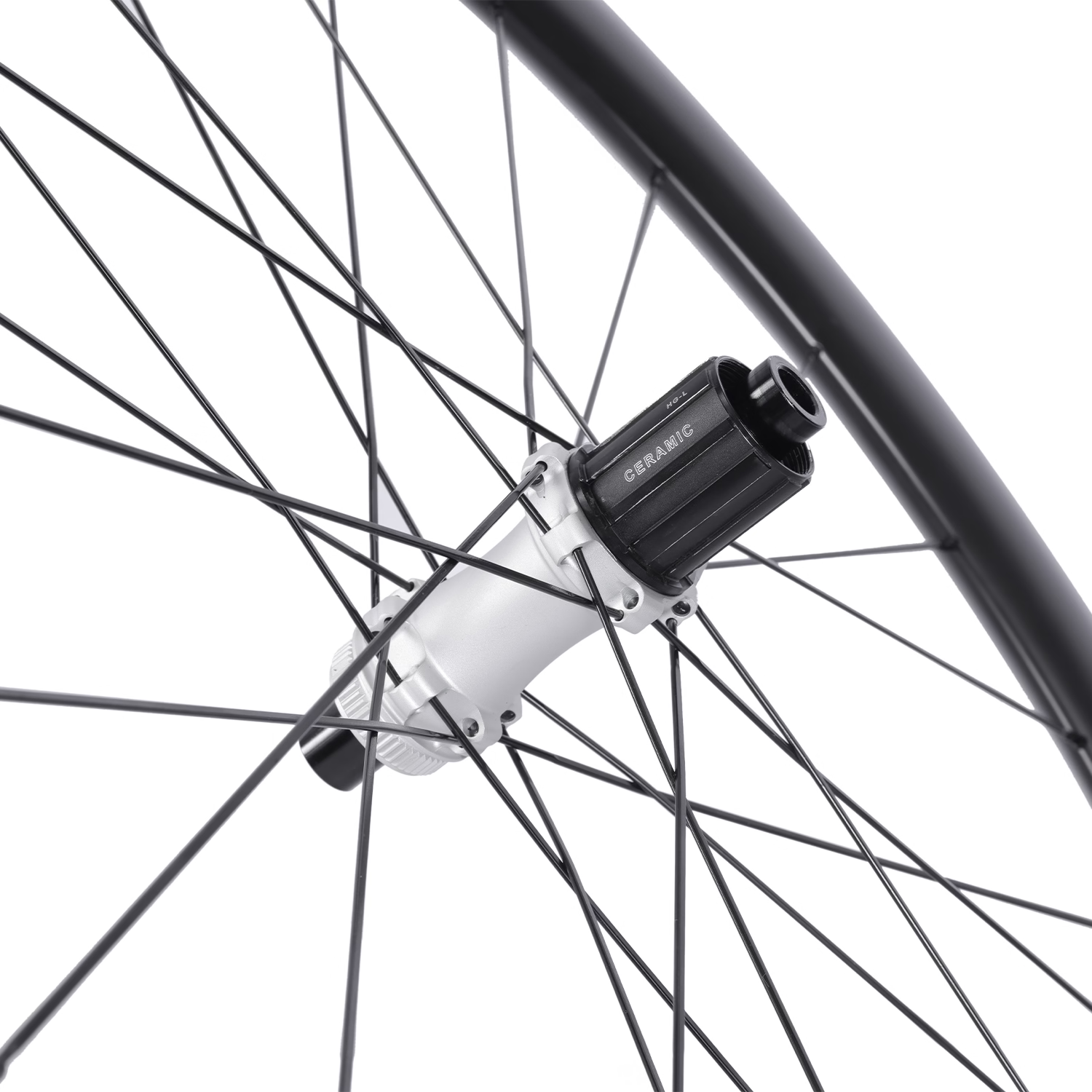
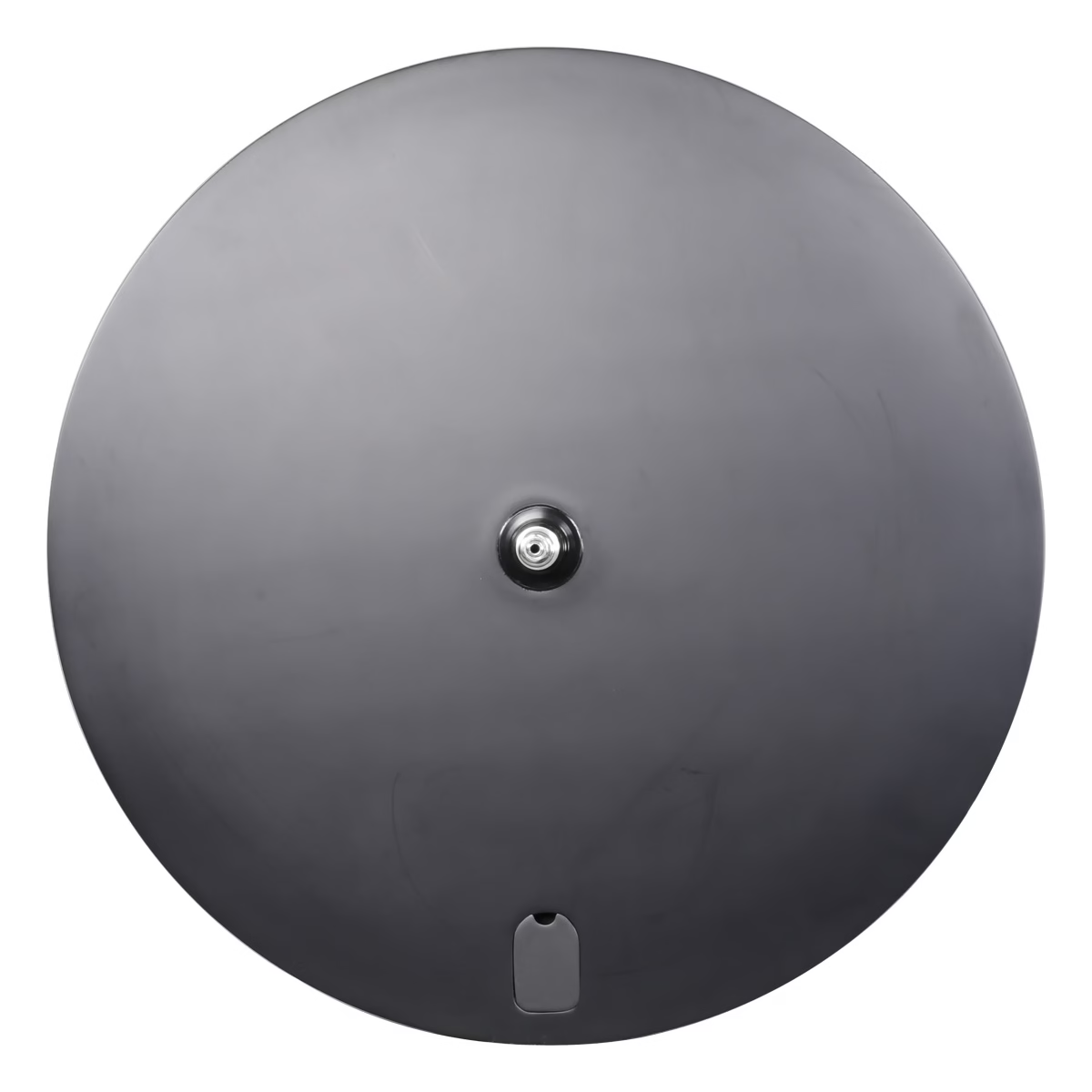
Which one would you choose: Monocoque or Spoke Wheels? What are the differences?
In the world of carbon fiber rims, there are two major categories: Monocoque wheels and Spoke wheels. Most wheels you see daily are spoke wheels; in fact, many people outside the cycling community don’t even know that integrated monocoque wheels exist. This article will analyze the differences between these two types of wheelsets.
Structural Differences
-
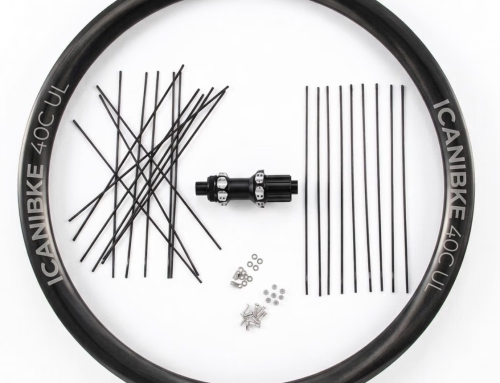
Spoke Wheels: Composed of a hub, spokes, and a rim. This design is widely used, and the vast majority of bicycles utilize this structure.
-
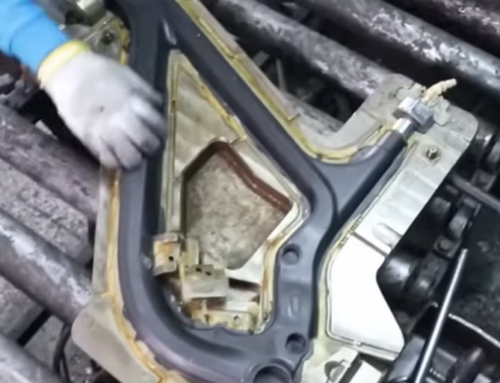
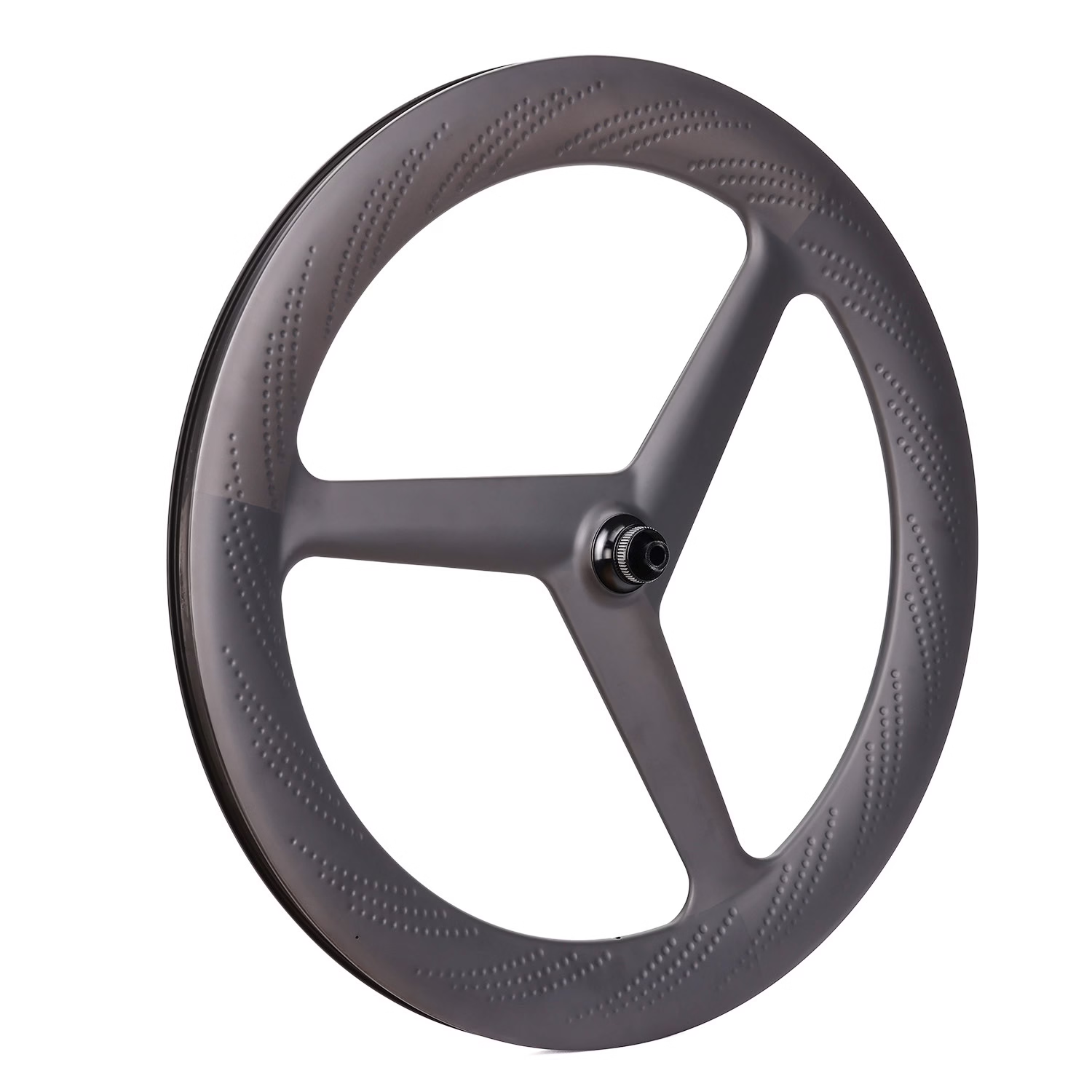
Monocoque Wheels: As the name suggests, the entire wheel is a single integrated piece. Common examples include 3-spoke, 4-spoke, or 5-spoke wheels, also known as “baton wheels” or “disc wheels.” In terms of aesthetics, monocoque wheels are often seen as more “perfect”—primarily because they look much cooler.
Performance & Cost Comparison
Beyond the structure, most riders care about performance and price. Here is a comparison based on weight, performance, maintenance cost, and usage scenarios.
Weight: In general, the weight is comparable. However, at higher price points, spoke wheels tend to be lighter.
Performance: Monocoque wheels offer superior stiffness, greater inertia, and lower aerodynamic drag, resulting in high energy conversion during high-speed riding. However, due to their large surface area, they are more susceptible to crosswinds. Spoke wheels offer better elasticity and vibration damping, reducing rider fatigue. On the downside, they require more effort to start from a standstill and are less efficient at maintaining high speeds compared to monocoque wheels.
Maintenance & Price: Since a monocoque wheel is a single unit, daily maintenance is simple, but repairs are complex. If it gets damaged, the entire wheel usually needs replacement. Spoke wheels are different; if a spoke breaks, you only need to replace that specific part, which is why they are more versatile and commonly used.
Price: Due to higher material costs and difficult manufacturing processes, monocoque wheels are generally one price tier higher than spoke wheels.
Usage Scenarios: Monocoque wheels are best suited for urban commuting and flat-road riding. They require low maintenance, but high repair costs and a lack of elasticity make them less comfortable on rough terrain. Due to their aerodynamic advantages, they frequently appear in professional racing (TT/Track). If your route involves many climbs or strong crosswinds, avoid monocoque wheels as they can be taxing and unstable.
Spoke Wheels: Simply put, you can ride them anywhere. As long as you don’t take road wheels onto mountain trails, they are reliable for almost every situation.